AI Agents for Reporting and Analytics: Natural-Language BI
TL;DR
Stop spending hours creating spreadsheets. See how AI reporting agents build real-time executive summaries from your databases.
The Dashboard Fatigue
Modern businesses are flooded with data, spread across Google Analytics, HubSpot, QuickBooks, and SQL databases. To compile a weekly progress report, managers must export multiple spreadsheets, build Excel charts, and write manual summaries.
By the time the report reaches executives, the data is already out of date.
Natural-Language Business Intelligence
Our AI Reporting & Analytics Agent acts as an active business analyst:
- Bi-directional Queries: Connects directly with database tables or marketing platforms via APIs.
- Automated Data Compilation: Synthesizes metrics from multiple channels into a single coherent database.
- Plain-Text Summaries: Drafts a clean, 5-bullet executive summary explaining key performance indicators and why they changed.
Querying Data in Natural Language
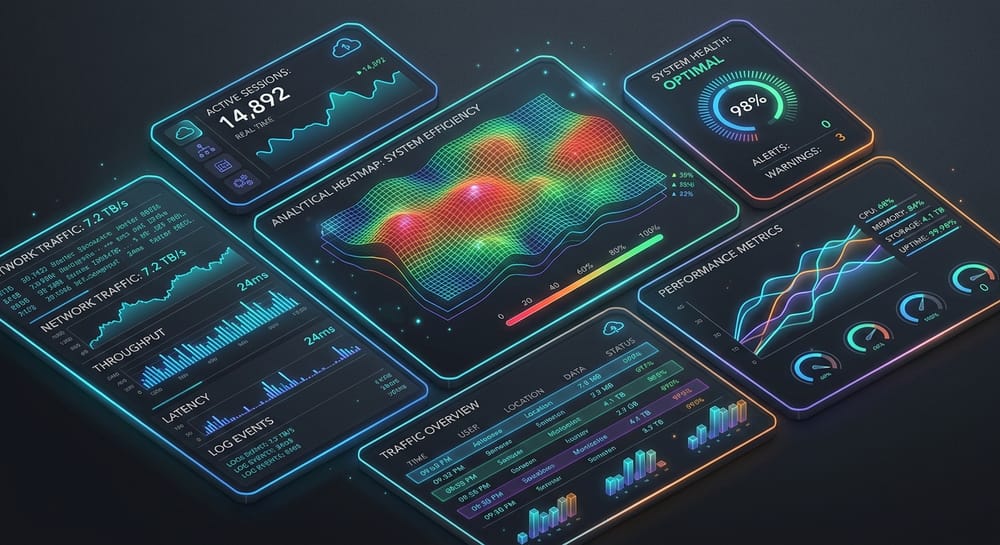
Non-technical managers can query databases using simple text commands like: "What was our high-converting marketing asset in California last month?" The agent writes the SQL, queries the database, and returns a clean answer with a generated bar chart, democratizing business data.
Why a Generated Report Can Be Trusted
The obvious objection to natural-language reporting is that a model might simply make the numbers up, and it is a fair objection. The answer is architectural rather than reassuring words.
The arithmetic is not generated. Figures come from defined queries against your systems of record, run the same way every time, and the model's job is to assemble and describe the results rather than to produce them. Ask the same question twice and you get the same number, because the number came from a query and not from a prediction.
Every figure stays traceable. A reported total should be attributable to the query that produced it, so a finance lead who doubts a number can see where it came from without asking anybody to reconstruct it. That traceability is what makes the report usable in a meeting where somebody is going to challenge a line.
The reconciliation is the genuine value. Most manual reports are slow not because the numbers are hard but because they live in three systems that disagree slightly, and somebody has to decide which version is right. Encoding that decision once, explicitly, means the answer is consistent month to month instead of depending on who built the spreadsheet.
What is generated is the narrative around the numbers, and that part should still be read by a person before it goes anywhere that matters.
Further reading
- AI Risk Management Framework — NIST
- Cybersecurity Framework — NIST
Want to discuss these automation patterns?
We custom-program these exact multi-agent systems with absolute human approval gates and strict role security rules.