Automation Solutions
Built Around Your Operations
Where our AI agents are the workers, these are the systems they run inside: the integrations, approval gates, security controls, and ongoing maintenance that keep automated workflows reliable in production.
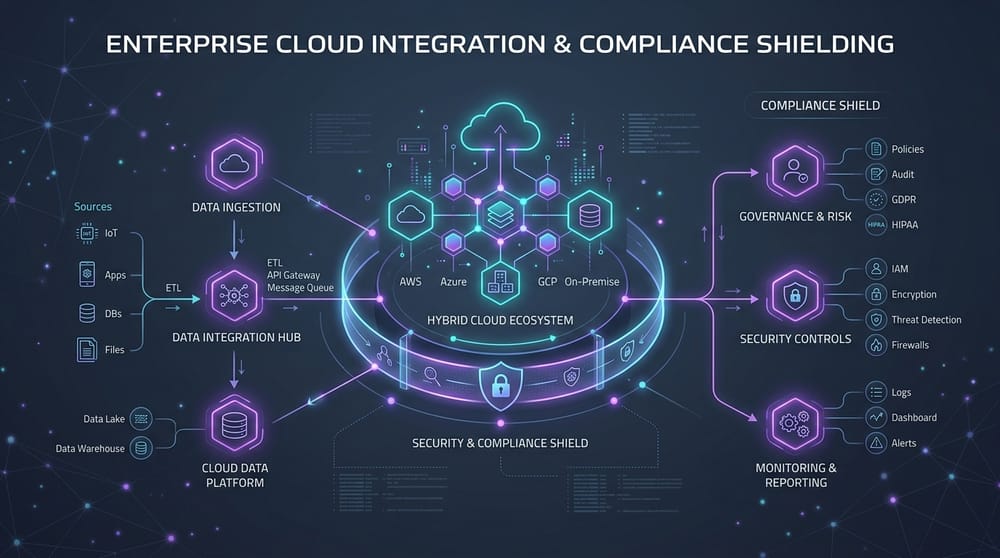
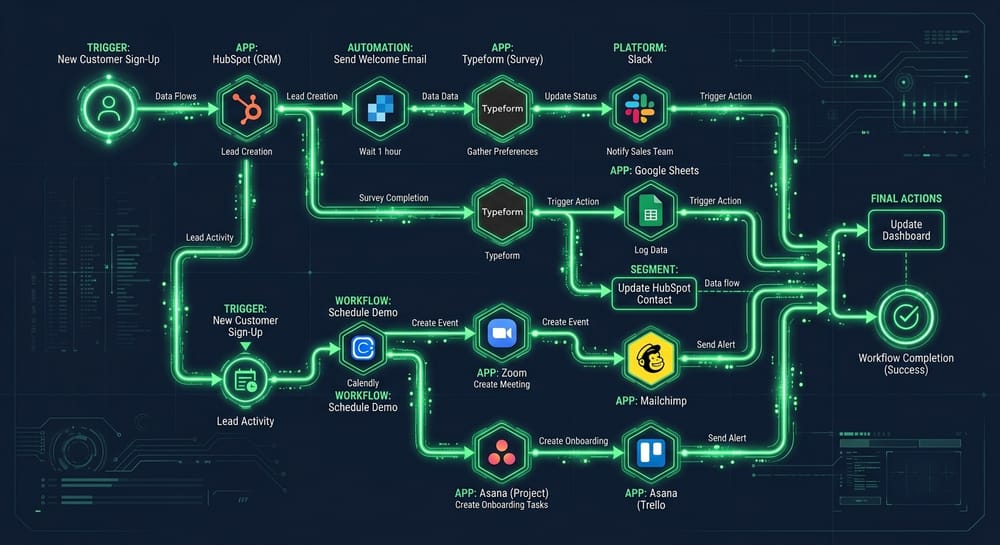
End-to-End Workflow Automation
Connect multiple tools and systems into a single self-executing workflow, driven by intelligent AI agents.
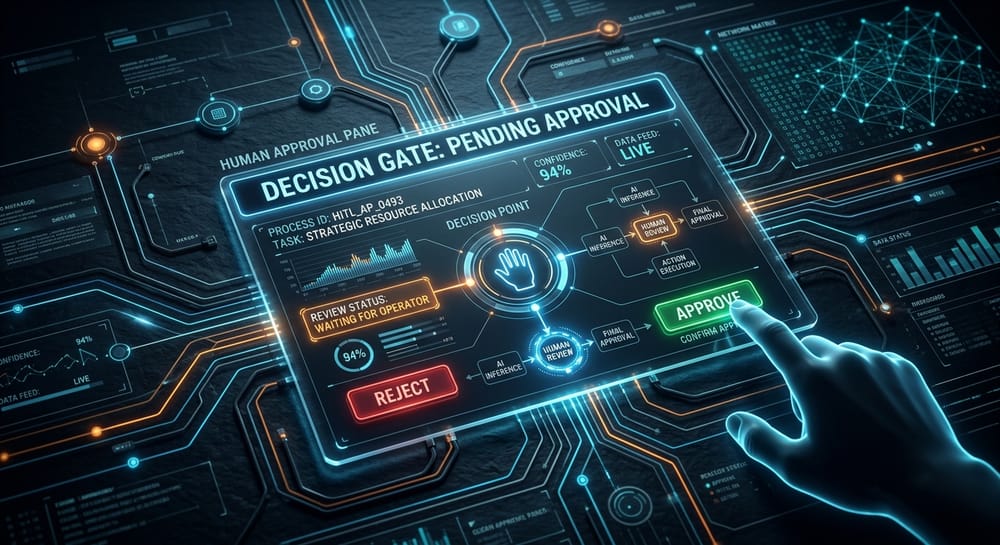
Human-in-the-Loop AI Systems
Combine the speed and scalability of AI with the safety, control, and absolute accuracy of human oversight.
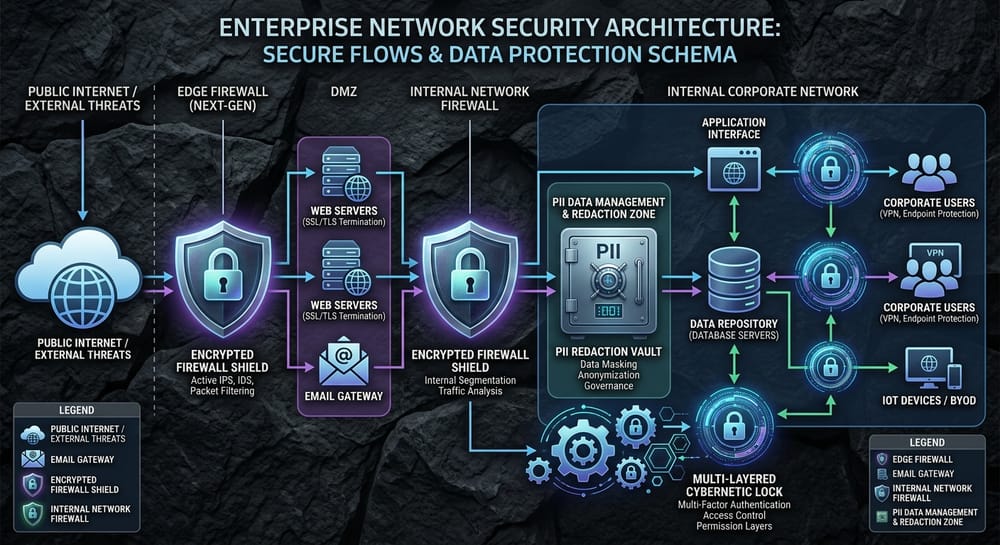
Enterprise-Grade AI Security & Governance
Protect your sensitive customer details, financial records, and proprietary databases with rigorous security protocols.
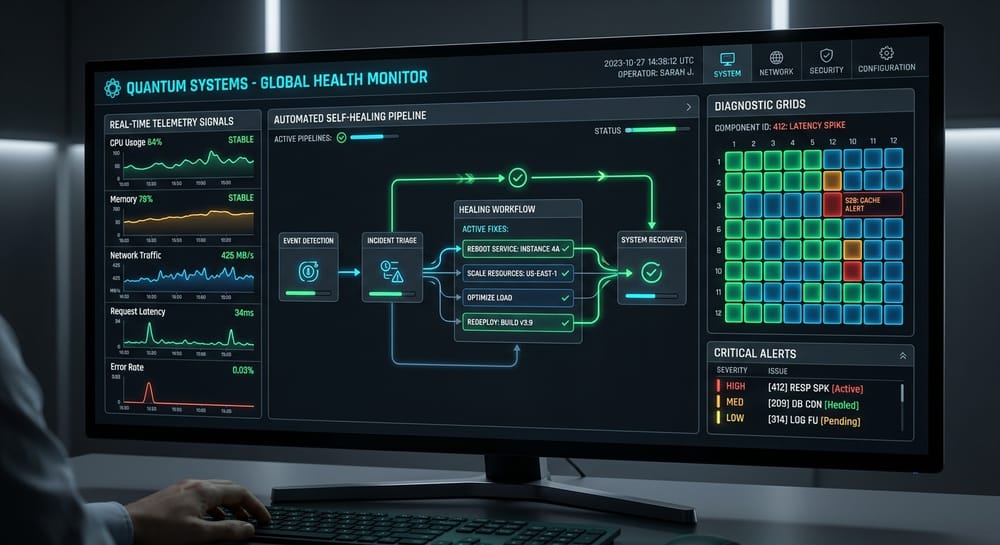
Ongoing Maintenance & Optimization
Ensure your AI workflows remain highly accurate and bug-free as third-party APIs update and business needs change.
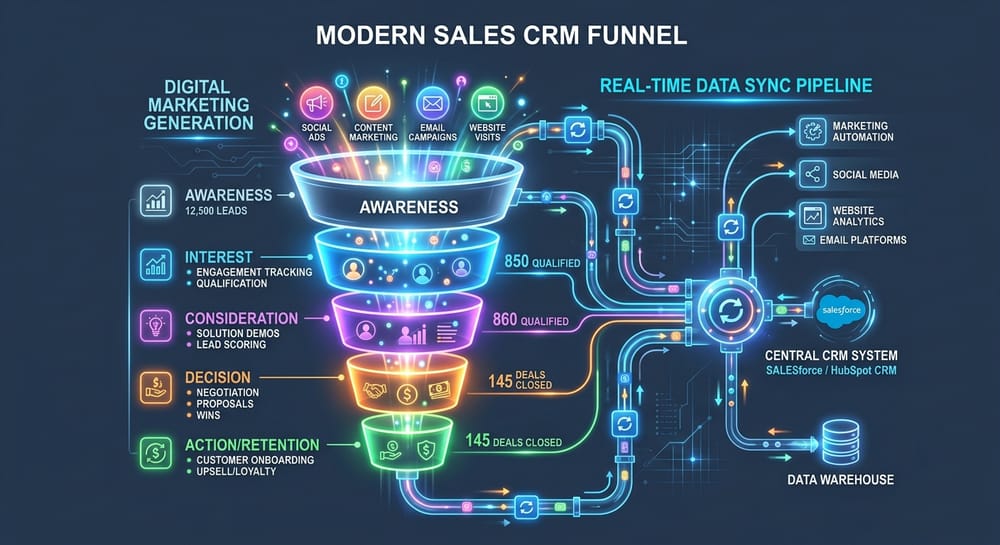
Intelligent CRM AI Automation
Eliminate manual entry. Update leads, record client sentiments, and schedule automated follow-ups directly in your CRM.
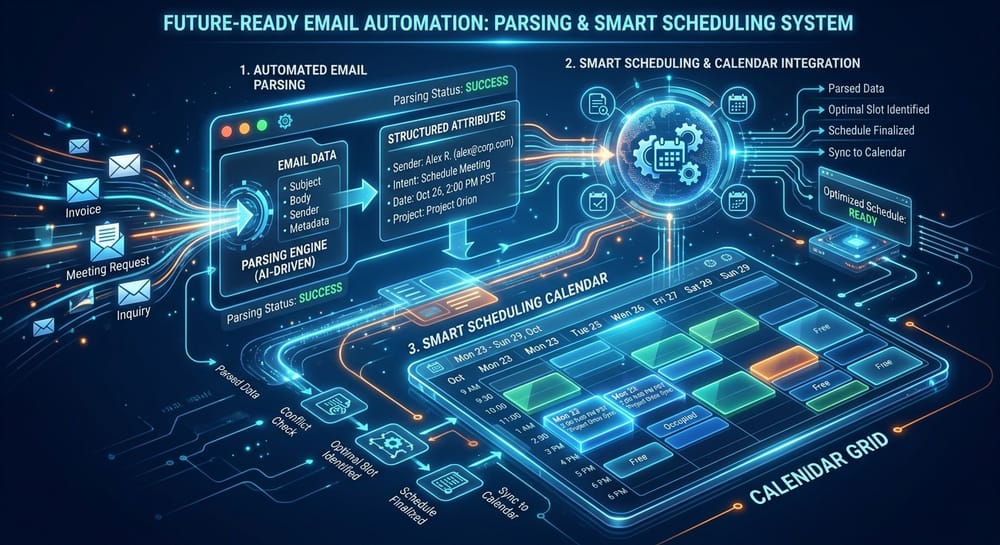
Email & Calendar Conversational AI
Turn your inbox and calendars into a secure conversational pipeline that handles sales, support, and scheduling automatically.
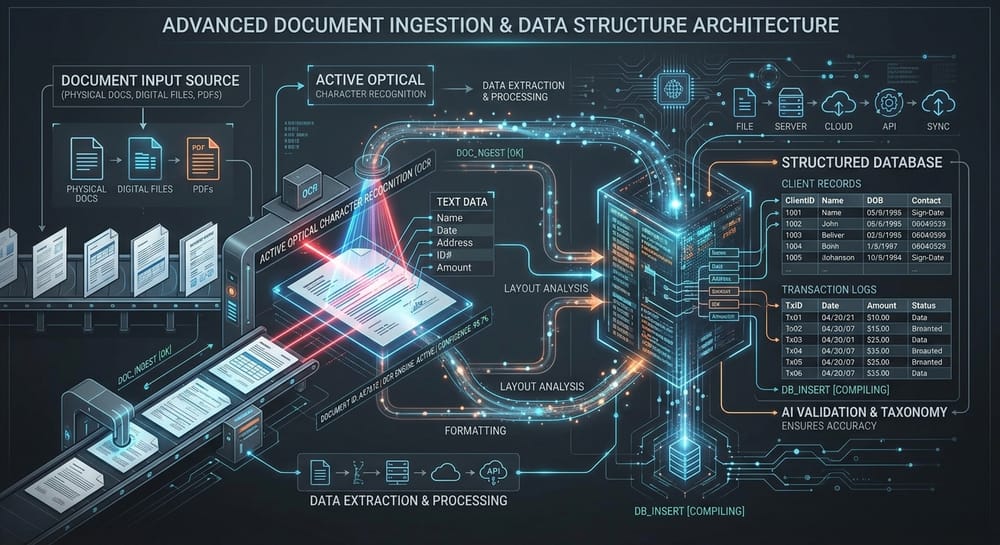
Intelligent Document & PDF Ingestion
Transform dark, unstructured document files into clean, structured databases ready for processing and analysis.
Standards and further reading on running automation in production
The controls described in these solutions follow published frameworks for AI risk and cyber security. These are the primary sources behind them.
- AI Risk Management Framework — NIST
- Cybersecurity Framework — NIST
- Cybersecurity best practices — CISA
Common questions about these solutions
How the solutions relate to the agents themselves, and what to get right on a first project.
The services are the agents themselves: the thing that books the appointment, reads the invoice or answers the ticket. The solutions are the systems those agents run inside, covering the integrations, approval gates, security controls and ongoing maintenance that keep them working once the novelty has worn off.
No. Most engagements start with a single workflow, and the parts of these solutions that workflow needs come with it. The listing exists so you can see what is involved in running automation properly, not as a menu of separate purchases.
Human-in-the-loop controls and security scoping, because both are far cheaper to design in than to retrofit. Deciding which actions need approval, and which systems an agent may touch, is work we do before the build rather than after something goes wrong.
It gets measured against the baseline taken before the build, and the maintenance work begins: monitoring escalation rates, absorbing third-party API changes and retuning thresholds as the case mix drifts. Most clients then pick a second workflow from what the first one revealed.
Not sure which solution fits your workflow?
Bring us the process that is costing your team the most hours. We will map it and tell you honestly whether automating it is worth doing.